TechCart Hub: E-Commerce Performance Analysis & Business Insights
Problem Statement
TechCart Hub is a growing e-commerce company specializing in consumer electronics, serving customers across multiple regions through its online marketplace. With increasing competition and evolving consumer purchasing trends, the company aims to optimize its product strategy, strengthen sales performance, and improve operational efficiency.
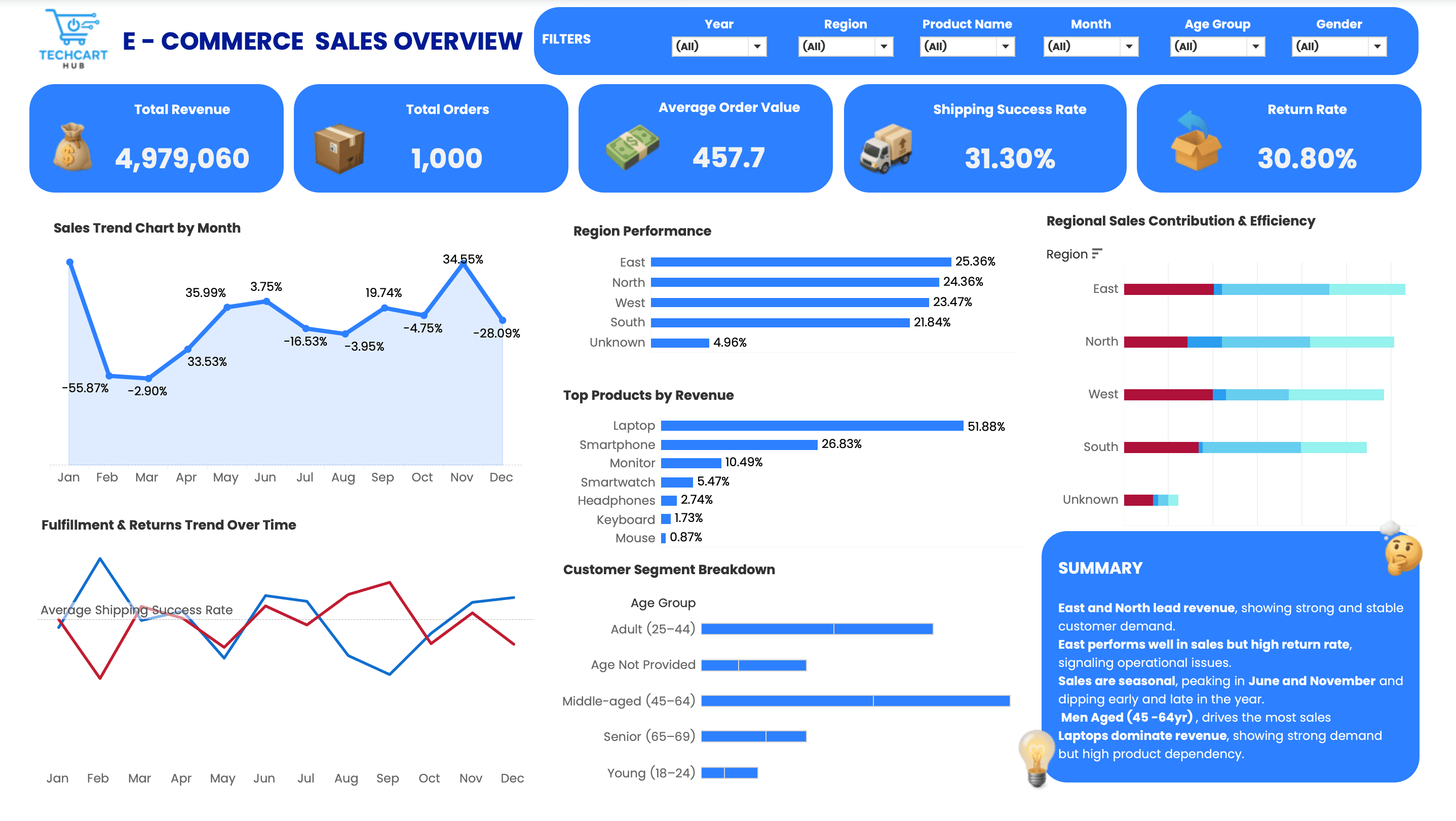
The dataset analyzed includes 1,000 customer orders, generating ₱4.97M in sales revenue, covering detailed metrics across product categories, regional revenue contribution, customer demographics, shipping success rates, and returns behavior.
This analysis provides actionable insights that Operations, Sales, Marketing, and Customer Experience teams can use to understand buying behavior, optimize fulfillment workflows, and drive more profitable growth.
Ask
How can we evaluate TechCart Hub’s e-commerce sales performance to identify top-selling product categories, regional revenue trends, customer segment behavior, and operational inefficiencies?
Prepare
This dataset provides a comprehensive view of customer transactions across various regions, product categories, and age groups. It captures essential details about customer purchases, including shipping status and fees, offering a clear snapshot of sales performance and customer demographics. Whether you're looking to analyze sales trends, customer b
Data set from Kaggle
🔗:https://www.kaggle.com/datasets/fahmidachowdhury/manufacturing-defects

Process
Cleaned the data in Excel:
Cleaned the data in Excel:
Removed duplicates and blank entries
Standardized date/time format
Created calculated fields:
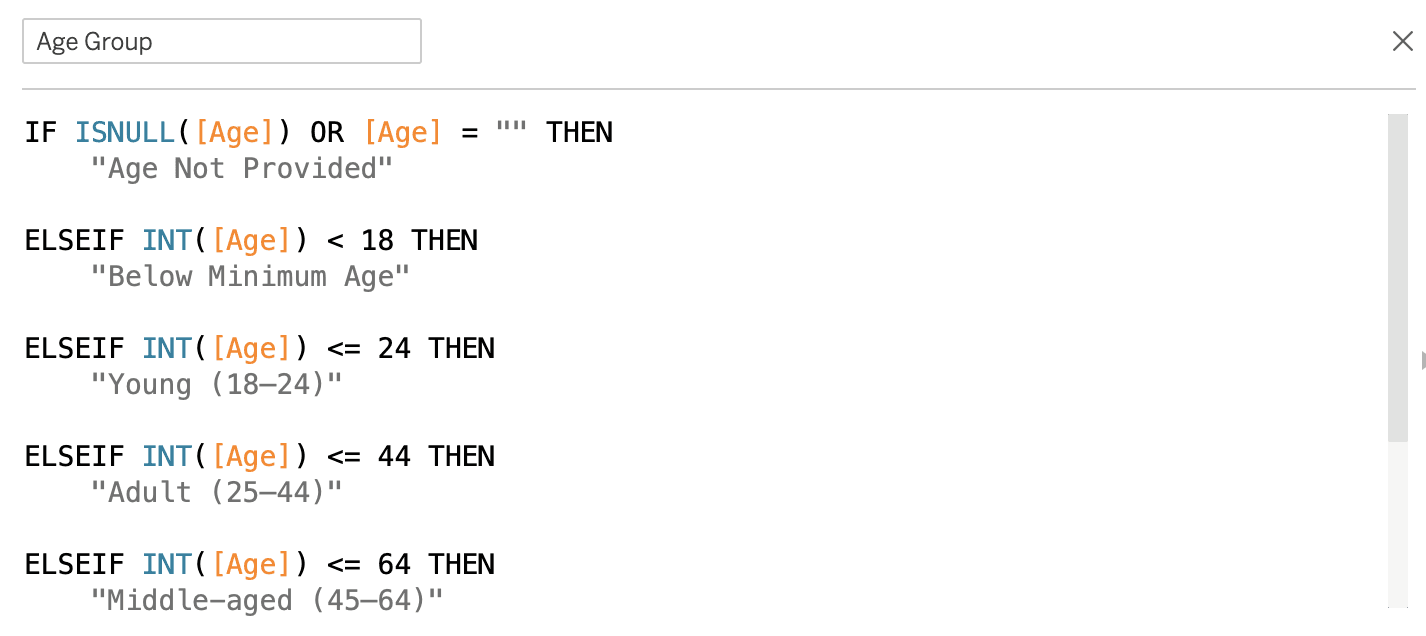
Age group
Return rate

🔑 Key Insights and Findings
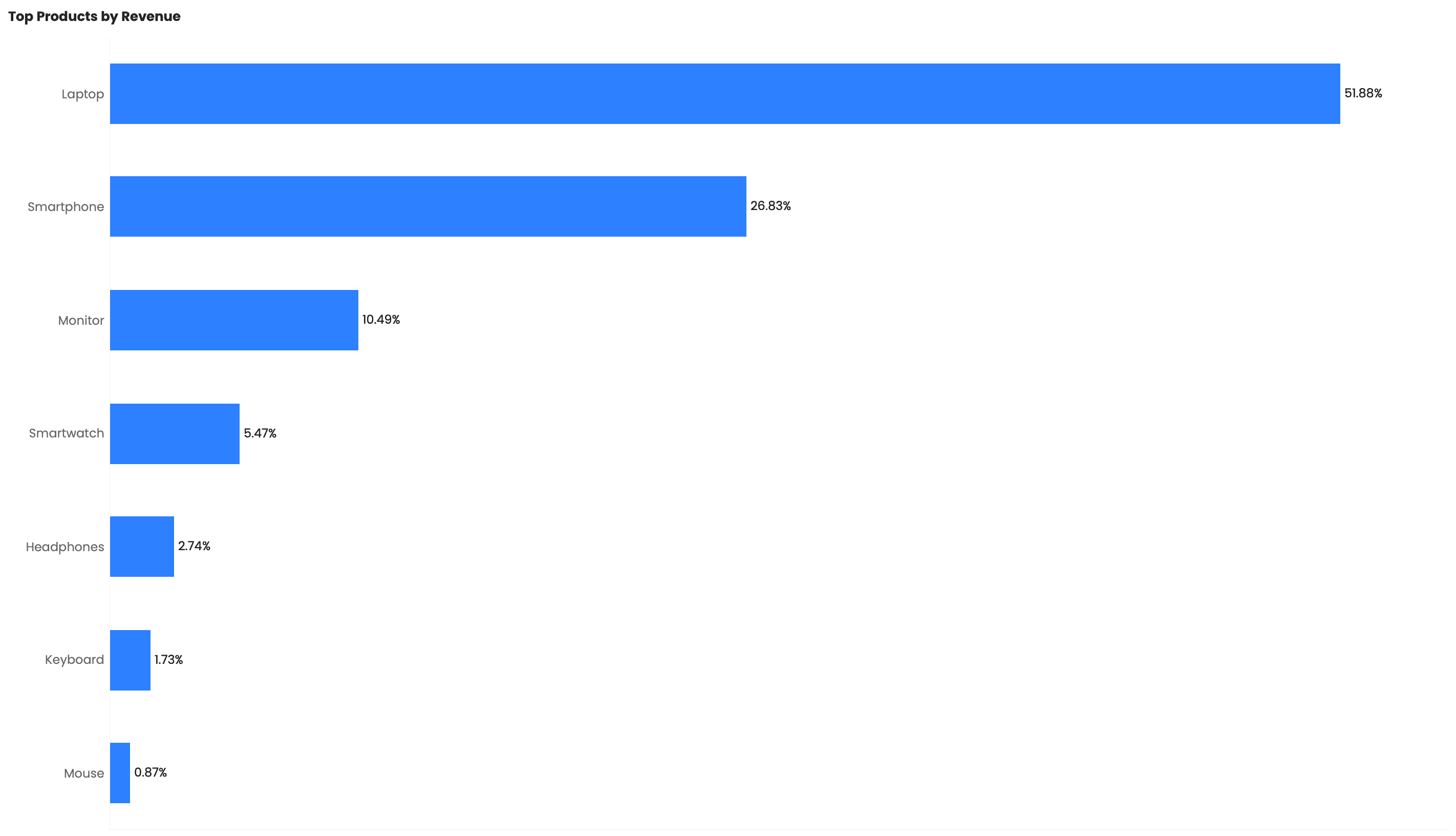
1. Laptops Dominate Revenue (51.88%)
The laptop category contributes over half of total revenue, nearly double the next leading category.
This highlights:
High dependency on one product line
Sensitivity to stock shortages & supplier delays
Opportunity to diversify offerings or promote mid-tier alternatives
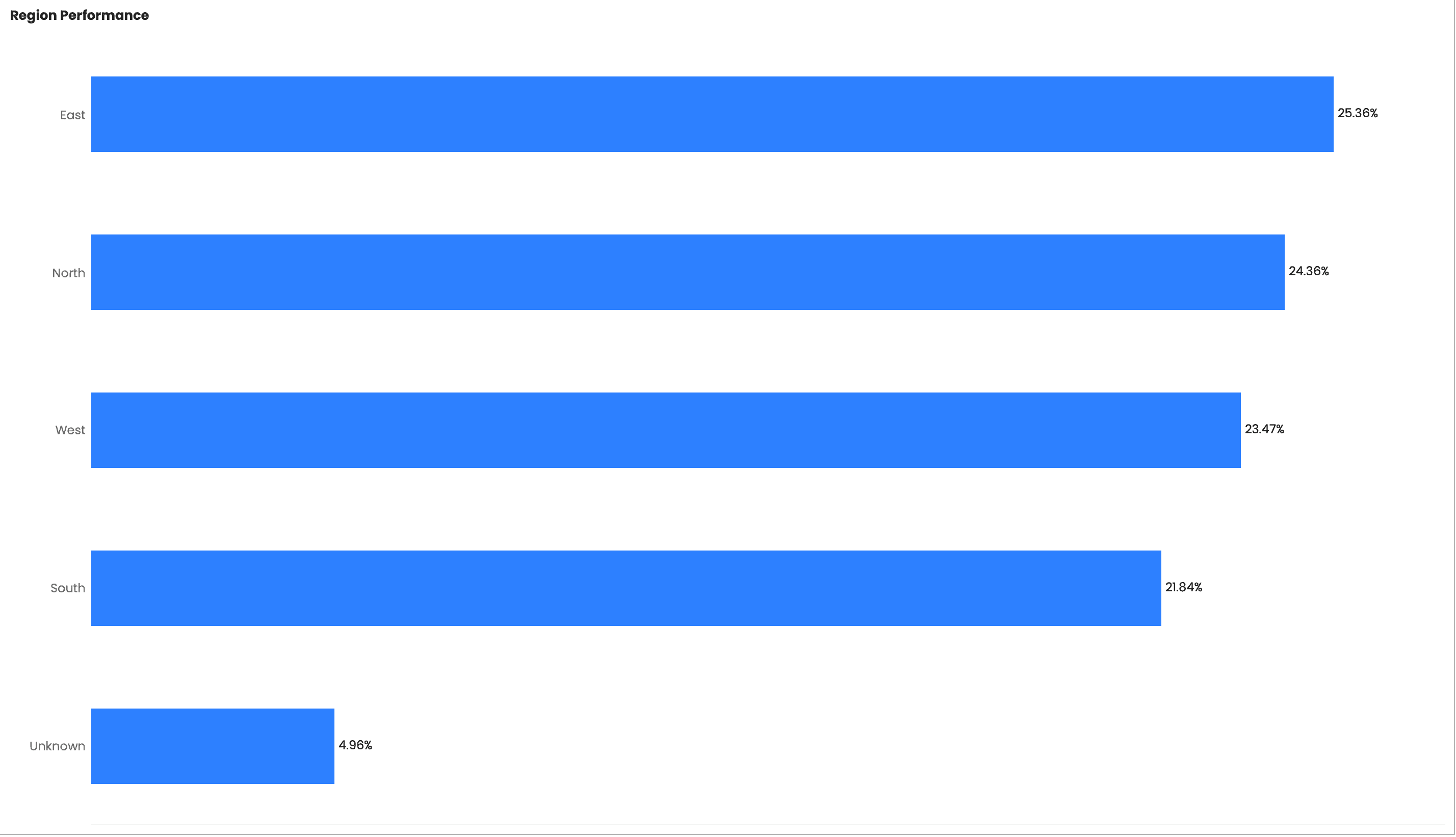
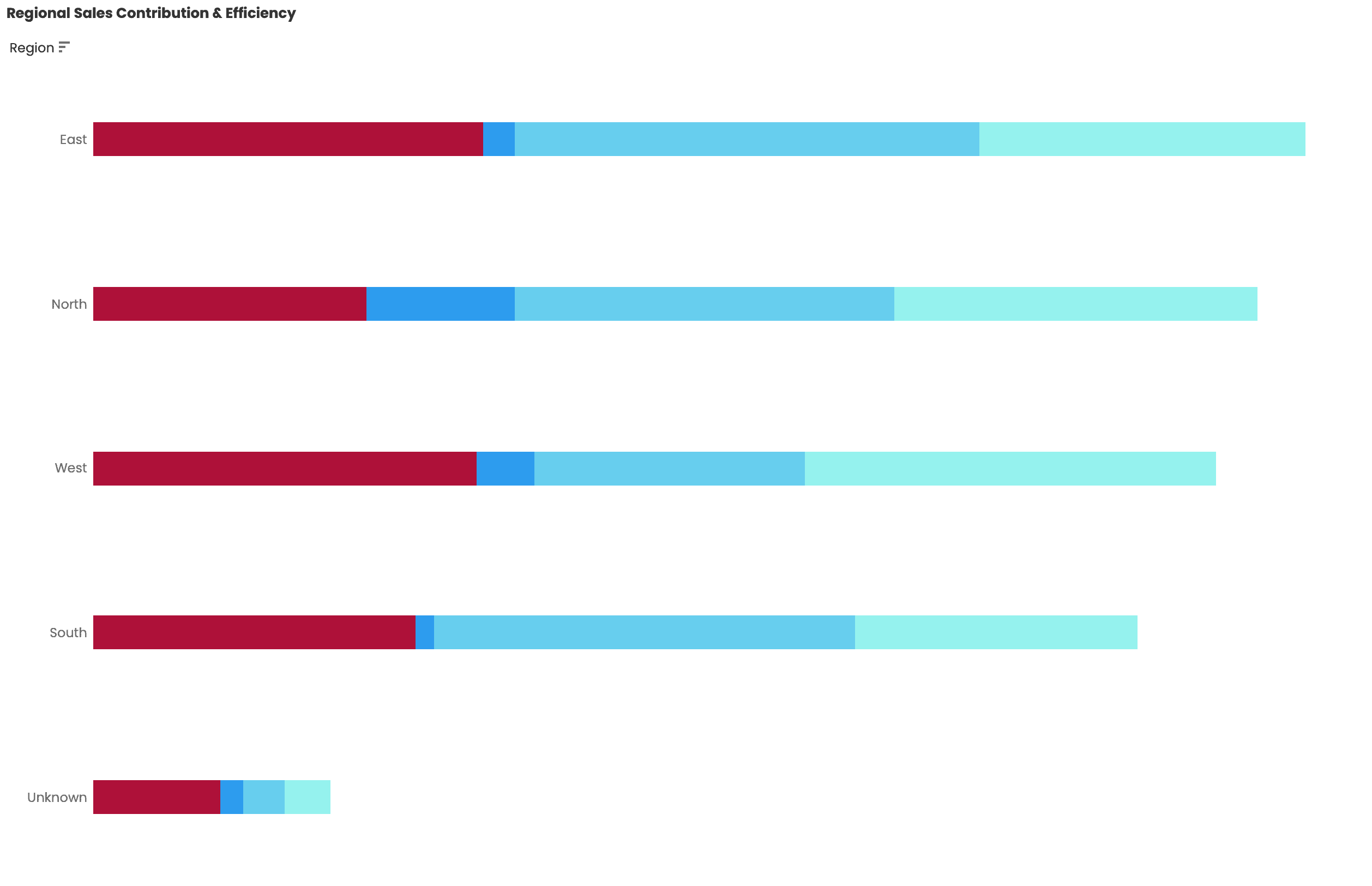
2. East & North Drive the Largest Regional Sales
East (25.36%) and North (24.36%) lead performance, accounting for almost 50% of total revenue.
However, these regions also show higher return activity, signaling potential issues in:
Product quality expectations
Last-mile logistics
Customer satisfaction
3. Strong Seasonality: Peaks in June & November
Sales show clear seasonal patterns:
June & November → strongest months
January & December → weakest months
This suggests strong mid-year promotions and holiday shopping influence demand.
4. Middle-Aged Shoppers (45–64) Spend the Most
Customer breakdown reveals:
Middle-aged (45–64) = largest revenue contribution
Adults (25–44) = second strongest segment
Younger shoppers contribute minimally
This informs marketing targeting, ad spending, and product bundling strategies.
5. Operational Gaps: Low Shipping Success (31.3%) & High Return Rate (30.8%)
Two critical inefficiencies:
Low shipping success suggests courier delays, failed deliveries, or tracking issues
High return rates indicate dissatisfaction with product quality or fulfillment accuracy
Both directly impact customer lifetime value and profitability.

🎯 Strategic Recommendations
1. Strengthen Logistics Performance
Review courier partners
Improve tracking systems
Enforce tighter shipping SLAs
Introduce automated customer notifications
2. Reduce Return Rates Through Product & Listing Optimization
Improve clarity and accuracy of product descriptions
Conduct QA on high-return SKUs
Offer clearer warranty/return info upfront
3. Mitigate Product Dependency Risk
Promote smartphones, monitors, and accessories
Introduce product bundles
Use cross-sell strategies on the website
4. Align Promotions to Seasonal Peaks
Boost ads and email campaigns in June & November
Launch retention-focused promos in low months
Adjust inventory stocking cycles accordingly
5. Target High-Performing Customer Segments
Focus messaging on 25–64 age brackets
Create demographic-specific bundles
Improve data collection for missing age/gender entries